Mythen über Casinos, die Sie nicht glauben sollten

Mythen über Casinos, die Sie nicht glauben sollten

Casinos sind nur für reiche Leute

Ein weit verbreiteter Mythos besagt, dass Casinos ausschließlich für wohlhabende Menschen zugänglich sind. Diese Vorstellung ist jedoch weit von der Realität entfernt. In der heutigen Zeit bieten viele Casinos Spiele in verschiedenen Preiskategorien an, sodass jeder, unabhängig von seinem Budget, die Möglichkeit hat, sein Glück zu versuchen. Ob man nun mit wenigen Cent an einem Spielautomaten spielt oder an einem Tisch mit höheren Einsätzen Platz nimmt, es gibt für jeden Spieler die passende Option. Besonders attraktiv ist das Online-Spiel, und Sie können es hier ausprobieren: https://felix-spin-casinos.com/.

Darüber hinaus haben Online-Casinos die Barriere für den Zugang zu Glücksspiel erheblich gesenkt. Plattformen wie Felixspin ermöglichen es Spielern, von zu Hause aus zu spielen, ohne hohe Anfahrtskosten oder Mindestspieleinsätze befürchten zu müssen. Das Angebot ist vielfältig und reicht von kostenlosen Spielen bis hin zu aufregenden Turnieren, die für jedermann zugänglich sind.

Die Wahrnehmung, dass Casinos elitär seien, kann viele potenzielle Spieler abschrecken. Doch die Realität zeigt, dass Glücksspiel eine Form der Unterhaltung für alle ist, die Spaß und Spannung suchen. Mit den richtigen Informationen und einer gesunden Einstellung kann jeder die Welt der Casinos erkunden.

Man gewinnt immer, wenn man viel spielt

Ein weiterer weit verbreiteter Mythos ist, dass man durch längeres Spielen automatisch mehr gewinnt. Dies ist nicht nur irreführend, sondern kann auch zu ernsthaften finanziellen Problemen führen. Glücksspiel basiert auf Zufall und die Spiele sind so konzipiert, dass sie einen Hausvorteil haben. Das bedeutet, dass langfristig die Wahrscheinlichkeit, Geld zu verlieren, höher ist als die, Geld zu gewinnen.

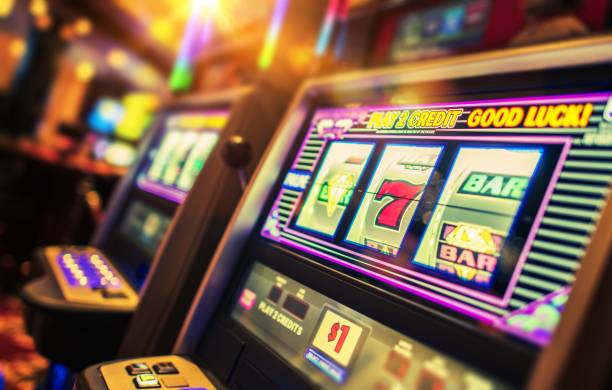
Ein Beispiel dafür ist der beliebte Spielautomat, bei dem viele Spieler glauben, dass ein hoher Einsatz auch höhere Gewinne garantiert. Allerdings ist das nicht der Fall. Die Auszahlungen sind durch mathematische Formeln festgelegt, die sicherstellen, dass das Casino auf lange Sicht profitabel bleibt. Spieler sollten sich daher über die Spielmechanismen informieren und realistische Erwartungen haben.

Um verantwortungsvoll zu spielen, ist es wichtig, Grenzen zu setzen und sich bewusst zu machen, dass Glücksspiel in erster Linie eine Form der Unterhaltung ist. Wer die Spiele mit der Einstellung angeht, dass man immer gewinnen muss, läuft Gefahr, in eine Abwärtsspirale zu geraten, die schwer zu durchbrechen ist. Ein ausgewogenes Spielverhalten ist der Schlüssel zu einem positiven Erlebnis.

Alle Casinos sind unehrlich und betrügerisch

Der Glaube, dass alle Casinos unehrlich sind und Spieler betrügen, ist ein weiterer verbreiteter Mythos. Tatsächlich unterliegen sowohl landgestützte als auch Online-Casinos strengen Regulierungen und Lizenzierungsanforderungen. Diese Vorschriften sollen sicherstellen, dass die Spiele fair und transparent sind. Renommierte Casinos verwenden zudem Zufallszahlengeneratoren, um sicherzustellen, dass die Ergebnisse der Spiele unvorhersehbar sind.

Online-Casinos wie Felixspin sind lizenziert und arbeiten mit anerkannten Prüfinstitutionen zusammen, um die Fairness ihrer Spiele zu garantieren. Spieler können sich auf die Integrität der Plattformen verlassen, insbesondere wenn sie auf renommierte Anbieter setzen. Die Überprüfung von Lizenzen und Bewertungen kann helfen, unseriöse Anbieter von vertrauenswürdigen zu unterscheiden.

Es ist wichtig, kritisch zu sein, aber auch nicht in eine Paranoia zu verfallen. Die meisten Casinos möchten zufriedene Kunden, die gerne zurückkommen. Ein ehrliches Casino setzt auf Transparenz und hat das langfristige Ziel, den Spielern ein faires und unterhaltsames Spielerlebnis zu bieten.

Glücksspiel macht süchtig

Ein häufig gehörter Mythos ist, dass Glücksspiel zwangsläufig zu einer Sucht führt. Zwar kann Glücksspiel, wie jede Form von Unterhaltung, zu problematischem Verhalten führen, aber das ist nicht bei jedem Spieler der Fall. Viele Menschen genießen Glücksspiel in Maßen und betrachten es als gelegentliche Form der Unterhaltung. Es liegt im Ermessen des Einzelnen, sich selbst zu kontrollieren und verantwortungsvoll zu spielen.

Faktoren wie persönliche Umstände, psychische Gesundheit und soziale Unterstützung spielen eine bedeutende Rolle dabei, ob jemand in die Suchtfalle tappt oder nicht. Informierte Spieler, die sich ihrer Grenzen bewusst sind, können oft ein gesundes Verhältnis zum Glücksspiel aufrechterhalten. Viele Casinos bieten zudem Ressourcen und Unterstützung für Spieler an, die Hilfe benötigen.

Das Bewusstsein über die Risiken des Glücksspiels ist entscheidend. Wer sich mit den Zeichen einer möglichen Spielsucht beschäftigt und rechtzeitig handelt, kann sich und anderen helfen. So wird Glücksspiel zu einer angenehmen Freizeitbeschäftigung, ohne dass die Gefahr einer Sucht im Raum steht.

Das Felixspin Casino: Ihr Ort für verantwortungsvolles Spielen

Das Felixspin Casino bietet eine umfassende Auswahl an Spielen und ist bestrebt, seinen Spielern ein sicheres und verantwortungsvolles Glücksspielerlebnis zu ermöglichen. Mit über 6.000 verschiedenen Spielen, darunter Spielautomaten und Live-Casino-Tische, findet jeder Spieler sein persönliches Highlight. Die Plattform legt großen Wert auf Sicherheit und Fairness, was durch die Lizenzierung und regelmäßige Prüfungen gewährleistet wird.

Ein attraktives Willkommenspaket, das bis zu 750 € und 350 Freispiele umfasst, bietet neuen Spielern die Möglichkeit, sofort ins Spielgeschehen einzutauchen. Neben diesen Anreizen gibt es regelmäßige Aktionen und Boni, die das Spielerlebnis noch spannender machen. Das Felixspin Casino unterstützt verantwortungsvolles Spielen und bietet Ressourcen, um Spielern zu helfen, ihr Spielverhalten im Blick zu behalten.

Durch die benutzerfreundliche mobile App können Spieler jederzeit und überall auf ihre Lieblingsspiele zugreifen. Bei Felixspin steht der Spielspaß im Vordergrund, ohne dabei die Sicherheit und das Wohlbefinden der Spieler aus den Augen zu verlieren. Erleben Sie die aufregende Welt der Casinos ohne die Mythen und Vorurteile, die oft damit verbunden sind.

Coronavirus disease 2019

COVID-19 is a contagious disease caused by the coronavirus SARS-CoV-2. In January 2020, the disease spread worldwide, resulting in the COVID-19 pandemic.

The symptoms of COVID‑19 can vary but often include fever,[7] fatigue, cough, breathing difficulties, loss of smell, and loss of taste.[8][9][10] Symptoms may begin one to fourteen days after exposure to the virus. At least a third of people who are infected do not develop noticeable symptoms.[11][12] Of those who develop symptoms noticeable enough to be classified as patients, most (81%) develop mild to moderate symptoms (up to mild pneumonia), while 14% develop severe symptoms (dyspnea, hypoxia, or more than 50% lung involvement on imaging), and 5% develop critical symptoms (respiratory failure, shock, or multiorgan dysfunction).[13] Older people have a higher risk of developing severe symptoms. Some complications result in death. Some people continue to experience a range of effects (long COVID) for months or years after infection, and damage to organs has been observed.[14] Multi-year studies on the long-term effects are ongoing.[15]

COVID‑19 transmission occurs when infectious particles are breathed in or come into contact with the eyes, nose, or mouth. The risk is highest when people are in close proximity, but small airborne particles containing the virus can remain suspended in the air and travel over longer distances, particularly indoors. Transmission can also occur when people touch their eyes, nose, or mouth after touching surfaces or objects that have been contaminated by the virus. People remain contagious for up to 20 days and can spread the virus even if they do not develop symptoms.[16]

Testing methods for COVID-19 to detect the virus’s nucleic acid include real-time reverse transcription polymerase chain reaction (RT‑PCR),[17][18] transcription-mediated amplification,[17][18][19] and reverse transcription loop-mediated isothermal amplification (RT‑LAMP)[17][18] from a nasopharyngeal swab.[20]

Several COVID-19 vaccines have been approved and distributed in various countries, many of which have initiated mass vaccination campaigns. Other preventive measures include physical or social distancing, quarantining, ventilation of indoor spaces, use of face masks or coverings in public, covering coughs and sneezes, hand washing, and keeping unwashed hands away from the face. While drugs have been developed to inhibit the virus, the primary treatment is still symptomatic, managing the disease through supportive care, isolation, and experimental measures.

Gestire il bankroll strategie vincenti per il gioco d'azzardo

Gestire il bankroll strategie vincenti per il gioco d'azzardo

Cos’è il bankroll e perché è importante

Il bankroll rappresenta il capitale destinato al gioco d’azzardo. È fondamentale per ogni giocatore, poiché gestire correttamente il proprio bankroll può fare la differenza tra una sessione di gioco divertente e un’esperienza deludente. Senza una gestione oculata delle finanze, anche i giocatori più esperti possono ritrovarsi in situazioni difficili, portandoli a scommettere oltre le proprie possibilità. In questo contesto, visitare siti come casinò online non aams può fornire indicazioni utili per una scelta oculata.

La gestione del bankroll non riguarda solo il mantenimento delle proprie finanze, ma implica anche la pianificazione strategica delle scommesse. Stabilire dei limiti è essenziale: definire quanto si è disposti a spendere e rispettare tali limiti aiuta a evitare perdite eccessive. Inoltre, una buona gestione del bankroll permette di giocare più a lungo, aumentando le possibilità di vincita nel lungo periodo.

Infine, un bankroll ben gestito contribuisce a mantenere un atteggiamento positivo durante il gioco. Sapere di avere un budget definito crea una sensazione di controllo, rendendo l’esperienza di gioco più piacevole. Quando si gioca senza stress finanziario, è più facile prendere decisioni razionali e divertirsi, piuttosto che farsi prendere dal panico in caso di perdite.

Strategie di gestione del bankroll

Una delle strategie più comuni per gestire il bankroll è la regola del 1%. Questa strategia consiglia di non scommettere più dell’1% del proprio bankroll totale su una singola scommessa. Questo approccio riduce il rischio di perdere tutto in una sola volta, permettendo di rimanere in gioco più a lungo. Inoltre, consente di adattare le scommesse in base all’andamento del bankroll, offrendo maggiore flessibilità.

Un’altra strategia efficace è il metodo del “betting unit”. In questa strategia, i giocatori stabiliscono una somma fissa da utilizzare come unità di scommessa. Ad esempio, se il bankroll totale è di 1000 euro, una unità di scommessa potrebbe essere fissata a 10 euro. Questo metodo aiuta a mantenere il controllo sulle scommesse e a gestire meglio le fluttuazioni del bankroll, rendendo più facile il monitoraggio delle performance nel tempo.

Infine, la strategia di “cash-out” è un’opzione da considerare. Questa strategia prevede di prelevare una parte delle vincite dopo un buon periodo di gioco. In questo modo, si possono garantire profitti e ridurre il rischio di reinvestire tutto nel gioco. Stabilire delle soglie di vincita da raggiungere può incentivare un comportamento più responsabile e consapevole.

Errore comuni nella gestione del bankroll

Uno degli errori più comuni è quello di non stabilire limiti di perdita. Molti giocatori, spinti dall’adrenalina del gioco, tendono a continuare a scommettere anche quando il bankroll inizia a scendere. Questo comportamento può portare a perdite significative e, in molti casi, a una vera e propria dipendenza dal gioco. È cruciale riconoscere quando è il momento di fermarsi e rifocalizzarsi sulle strategie di gestione.

Un altro errore frequente è l’assenza di un piano di scommesse. Giocatori che non hanno un approccio strutturato rischiano di scommettere in modo impulsivo, il che può compromettere la loro situazione finanziaria. Avere un piano ben definito aiuta a mantenere la disciplina e a non farsi trasportare dalle emozioni, evitando di effettuare scommesse troppo rischiose.

Infine, non diversificare le proprie scommesse è un errore da evitare. Concentrarsi su un solo gioco o su una sola strategia può limitare le opportunità di vincita. È importante esplorare diverse opzioni di gioco e adattare le scommesse in base alle proprie esperienze e alle dinamiche del gioco, aumentando così le possibilità di successo e riducendo i rischi complessivi.

Il gioco responsabile e il bankroll

Il gioco responsabile è un aspetto cruciale nella gestione del bankroll. Riconoscere i propri limiti e giocare solo quando ci si sente in grado di farlo è fondamentale per un’esperienza di gioco positiva. Giocare in modo responsabile significa anche non lasciare che le emozioni influenzino le decisioni finanziarie. Questo approccio aiuta a prevenire comportamenti compulsivi e a mantenere il gioco un’attività divertente.

Inoltre, il gioco responsabile implica essere consapevoli delle proprie perdite. Monitorare il proprio bankroll e riconoscere quando si è persa una somma significativa è essenziale per evitare di cadere in trappole pericolose. Creare un diario di gioco può aiutare a tenere traccia delle scommesse e delle emozioni associate, offrendo una visione chiara dell’andamento finanziario nel tempo.

Infine, promuovere una cultura di gioco responsabile tra amici e familiari può fare la differenza. Condividere esperienze e consigli sui limiti di gioco e sull’importanza della gestione del bankroll aiuta a creare un ambiente più sicuro e divertente per tutti. La consapevolezza collettiva su questi temi può portare a un miglioramento dell’esperienza di gioco e a una riduzione dei rischi associati.

Scopri Casinò Non AAMS

Casinò Non AAMS è il tuo punto di riferimento per il gioco online in Italia. Offriamo una selezione di piattaforme sicure e innovative, dove puoi divertirti e mettere in pratica le strategie di gestione del bankroll. La nostra missione è fornire ai giocatori italiani informazioni preziose per scegliere casinò affidabili, analizzando licenze, offerte promozionali e recensioni di esperti.

Con un’attenzione particolare al gioco responsabile, Casinò Non AAMS è impegnato a garantire un’esperienza di gioco sicura e divertente. Le risorse dedicate al gioco responsabile ti aiuteranno a mantenere il controllo sulle tue finanze e a giocare in modo sano. Unisciti alla nostra community e inizia a scoprire le migliori opzioni di gioco online disponibili.

Visita Casinò Non AAMS per rimanere aggiornato sulle ultime novità e strategie nel mondo del gioco d’azzardo. Con informazioni dettagliate e una selezione di casinò di alta qualità, siamo qui per aiutarti a massimizzare il tuo divertimento e le tue possibilità di vincita. Inizia a giocare oggi stesso con la giusta preparazione e la giusta mentalità.

Unlocking advanced training techniques for maximum performance improvement

Unlocking advanced training techniques for maximum performance improvement

Understanding the Importance of Advanced Training Techniques

Advanced training techniques are essential in achieving optimal performance across various fields, including sports, fitness, and even mental health. These methods go beyond traditional training regimens, focusing on incorporating innovative strategies that push the boundaries of physical and mental capabilities. By recognizing the importance of these techniques, individuals can tailor their training plans to enhance strength, endurance, and overall performance levels significantly. In fact, many users find that the Sisal matchpoint app complements their training by providing tools for performance tracking and engagement.

Moreover, the application of advanced training techniques often leads to a deeper understanding of one’s body and its responses to stress and fatigue. Athletes, for instance, can harness these insights to maximize their potential, utilizing data-driven approaches to assess their training intensity and recovery needs. This multifaceted perspective not only boosts physical fitness but also fosters mental resilience, essential for overcoming obstacles in competitive environments.

In addition to improving performance, advanced training techniques contribute to overall well-being. Techniques such as periodization, progressive overload, and targeted strength training not only enhance physical attributes but also promote mental fortitude. This holistic approach ensures that both body and mind work in harmony, creating a sustainable pathway to achieving long-term goals and performance improvements.

Incorporating Technology in Training Regimens

The integration of technology into training regimens has revolutionized how athletes and individuals track their progress and optimize performance. Wearable devices and mobile applications allow users to monitor vital statistics like heart rate, sleep patterns, and recovery times, providing real-time data that can inform training decisions. This level of insight enables tailored training experiences that can adapt to each user’s unique needs and goals.

Advanced technologies, such as virtual reality and interactive training platforms, further enhance the training process. These tools provide immersive environments where users can practice their skills, receive immediate feedback, and even engage with others worldwide. By leveraging such technologies, individuals can break free from traditional training limitations, fostering innovation and creativity in their routines.

Additionally, the use of data analytics in training can identify patterns and performance metrics that might otherwise go unnoticed. This analytical approach allows coaches and athletes to make informed decisions, optimizing strategies and avoiding potential injuries. By incorporating technology, training becomes more systematic and goal-oriented, which is crucial for achieving maximum performance improvement.

The Role of Mental Training Techniques

Mental training techniques are an often-overlooked component of performance improvement that can significantly impact outcomes. Strategies such as visualization, mindfulness, and cognitive behavioral techniques help athletes and individuals manage stress, enhance focus, and build resilience. By prioritizing mental training, one can cultivate a positive mindset that supports physical efforts, ultimately leading to improved performance.

Visualization, in particular, allows athletes to mentally rehearse their movements and performance scenarios, which can enhance muscle memory and boost confidence. This technique creates a psychological advantage, helping athletes perform under pressure. By incorporating regular visualization practices into their routine, individuals can prepare mentally for competitions or challenges, reinforcing a winning mindset.

Moreover, mindfulness techniques can aid in reducing anxiety and enhancing concentration during training and competition. By practicing mindfulness, individuals become more aware of their thoughts and emotions, enabling them to maintain focus and calmness. This enhanced mental state translates into improved performance, as athletes are better equipped to handle the mental demands of their sport.

Customizing Training Plans for Individual Needs

Customizing training plans is paramount for maximizing performance improvement. Each individual possesses unique physical and mental attributes that must be considered when developing a training strategy. A one-size-fits-all approach rarely yields optimal results, as differing fitness levels, goals, and preferences all play a role in shaping an effective regimen. Tailoring training to an individual’s specific needs not only enhances performance but also increases engagement and motivation.

To customize training plans effectively, one must assess baseline capabilities and set clear, achievable goals. This process often involves evaluating current performance metrics and establishing a roadmap that includes short-term and long-term objectives. By focusing on progressive milestones, individuals can monitor their advancement and adjust their training techniques as needed, ensuring continuous growth and development.

Furthermore, incorporating feedback mechanisms into training plans enhances the customization process. Regularly soliciting feedback from coaches, trainers, or peers can provide valuable insights into performance and areas for improvement. This iterative approach fosters an adaptive training environment that embraces change and encourages continuous performance enhancement.

Conclusion and Resources for Further Improvement

To summarize, unlocking advanced training techniques is vital for anyone seeking maximum performance improvement. By understanding the importance of technology, mental training, and tailored approaches, individuals can significantly enhance their athletic or performance outcomes. As the landscape of training evolves, staying informed and adaptable is crucial for ongoing success and improvement.

For those interested in furthering their training journey, numerous resources are available. Online platforms, workshops, and mobile applications can provide the necessary tools and support to implement advanced techniques. By leveraging these resources, individuals can cultivate a community that shares knowledge and strategies, paving the way for sustained growth and performance excellence.

Gambling's portrayal in popular media How it shapes perceptions and behaviors

Gambling's portrayal in popular media How it shapes perceptions and behaviors

The Glamourization of Gambling

Gambling has often been glamorized in popular media, particularly in movies and television shows. Films like “Casino Royale” and series such as “Breaking Bad” depict gambling as a high-stakes, thrilling experience, often filled with lavish settings and alluring characters. This portrayal not only attracts viewers but also embeds the idea that gambling can lead to a luxurious lifestyle. Moreover, this perception can be enhanced when players explore options at sites where pokies payid is available, leading individuals to believe that gambling is a viable path to wealth.

Moreover, the dramatic narratives surrounding gambling in media often highlight the thrill of winning big, overshadowing the inherent risks. Many viewers, especially younger audiences, may not fully grasp the potential for loss. This one-sided portrayal can encourage reckless gambling behaviors, as people become enamored with the excitement and glamour without understanding the potential consequences. It becomes a cycle of aspiration fueled by entertainment, ultimately shaping their perception of gambling.

In this light, popular media serves as a powerful influencer, shaping societal attitudes toward gambling. The blend of romance, danger, and adventure creates an alluring image that many aspire to experience. When such narratives are repeated in various forms of media, they contribute to a collective belief system that glamorizes gambling, which can lead to increased participation and normalization of gambling in everyday life.

The Impact of Reality Shows

Reality television has further complicated the portrayal of gambling, offering viewers a raw glimpse into the lives of those who gamble. Shows like “High Stakes Poker” and “The World Series of Poker” showcase real players engaging in high-stakes games, emphasizing skill and strategy. However, these shows often omit the financial struggles and emotional turmoil many gamblers face, presenting an incomplete picture of gambling’s reality. Viewers may develop skewed perceptions based on the excitement without considering the personal risks involved.

Additionally, the competitive nature of these reality shows can create a sense of legitimacy around gambling as a profession. Individuals watching may think that they can replicate the success of their favorite contestants. This can lead to unrealistic expectations about their own abilities and financial outcomes, potentially resulting in unhealthy gambling habits. As participants strive to emulate what they see on screen, they may ignore the potential pitfalls that come with excessive gambling.

The influence of reality shows extends beyond mere entertainment; they can foster a culture where gambling is viewed as an acceptable or even commendable pursuit. By glorifying the successes and downplaying the failures, reality television shapes viewers’ attitudes toward gambling. As a result, people may feel empowered to engage in gambling activities, often without a full understanding of the risks and consequences involved.

The Role of Video Games

Video games have also become a significant medium for gambling’s portrayal, often integrating gambling mechanics into gameplay. Titles like “Grand Theft Auto” and “Red Dead Redemption” include gambling mini-games that allow players to experience the thrill of betting without any real-world stakes. These interactions create a playful environment that may desensitize players to the risks associated with gambling. Consequently, it fosters a perception that gambling is merely a form of entertainment rather than a serious activity.

Additionally, the accessibility of online gambling platforms has blurred the lines between video gaming and real-life betting. With the rise of mobile gaming, players can easily transition from casual gaming to real-money gambling. This seamless transition can make gambling feel more like an extension of entertainment rather than a risky venture. As a result, younger audiences may develop a more cavalier attitude towards gambling, seeing it as an everyday activity rather than a potentially harmful behavior.

Furthermore, in-game rewards and achievements associated with gambling can reinforce positive feelings toward betting. When players experience success in gambling scenarios within games, they may associate that success with real-life gambling experiences. This can contribute to a desire to pursue gambling outside of gaming, potentially leading to increased participation and a lack of awareness regarding the risks involved.

Celebrity Endorsements and Their Influence

The association between gambling and celebrity culture has become increasingly prevalent in recent years. When prominent figures endorse gambling sites or participate in high-profile poker tournaments, it can greatly influence public perception. Fans often view these celebrities as role models, which can lead to a normalization of gambling behavior among their followers. The endorsement of gambling by beloved public figures can create a sense of acceptance, making it seem more attractive to engage in such activities.

Moreover, advertisements featuring celebrities can romanticize gambling, painting it as a glamorous and fun activity. This portrayal can obscure the reality that many individuals struggle with gambling addiction and its consequences. As the line between entertainment and reality blurs, individuals may be less likely to recognize the potential for harm, leading to increased participation in gambling activities.

In effect, celebrity endorsements can create a cultural narrative where gambling is not just accepted but celebrated. This cultural shift can result in a generational change in how gambling is perceived. As gambling becomes part of mainstream culture, individuals may feel emboldened to engage in it, often without fully understanding the risks and implications of their actions.

Exploring Comprehensive Resources

Understanding the multifaceted portrayal of gambling in popular media is essential for informed decision-making. Exploring comprehensive resources can provide insights into the psychology of gambling, the risks involved, and the various influences that shape perceptions and behaviors. By seeking out expert analyses and research, individuals can gain a more nuanced understanding of how media representations affect their views on gambling.

Moreover, platforms dedicated to responsible gambling can offer valuable tools and support for those affected by gambling. By educating oneself about the potential dangers and recognizing the signs of gambling addiction, individuals can make informed choices. Such resources can empower people to navigate the gambling landscape more responsibly, minimizing the risks associated with impulsive behaviors fueled by media portrayals.

Ultimately, as gambling becomes increasingly integrated into popular culture, the responsibility lies with both media creators and consumers to critically evaluate the narratives being presented. By fostering a culture of awareness and education, we can work towards a more balanced understanding of gambling, ensuring that individuals are better equipped to engage with it in a safe and informed manner.